Answer the following questions:
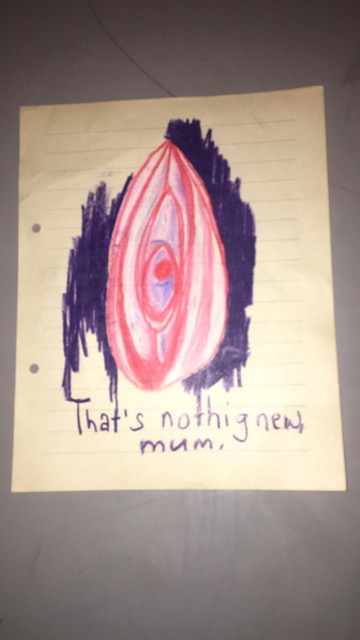
Is your nipple moving freely in the tunnel?
Is no or a minimal part of your areola being pulled into the tunnel?
Do you see a gentle, rhythmic motion in the breast with each cycle?

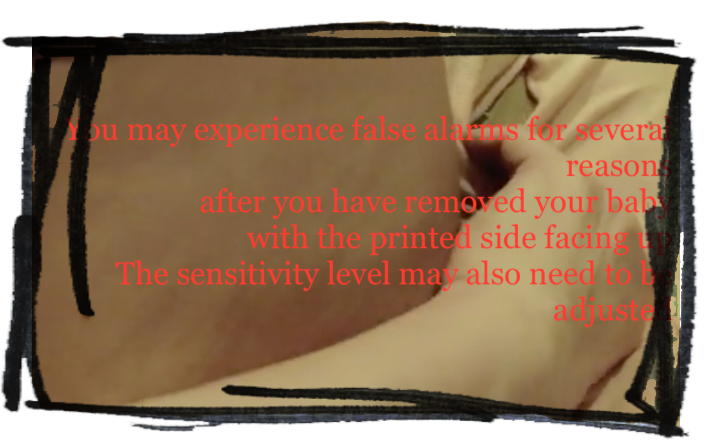
Remove sharp items from your body leave to stand for 72 hours
This is a snug fit
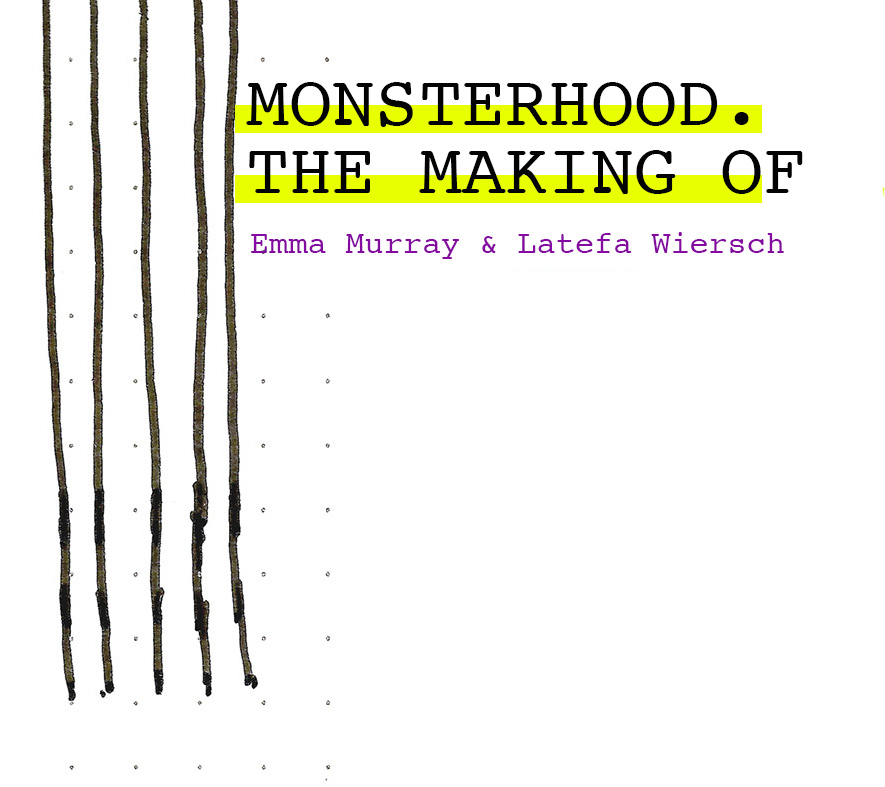
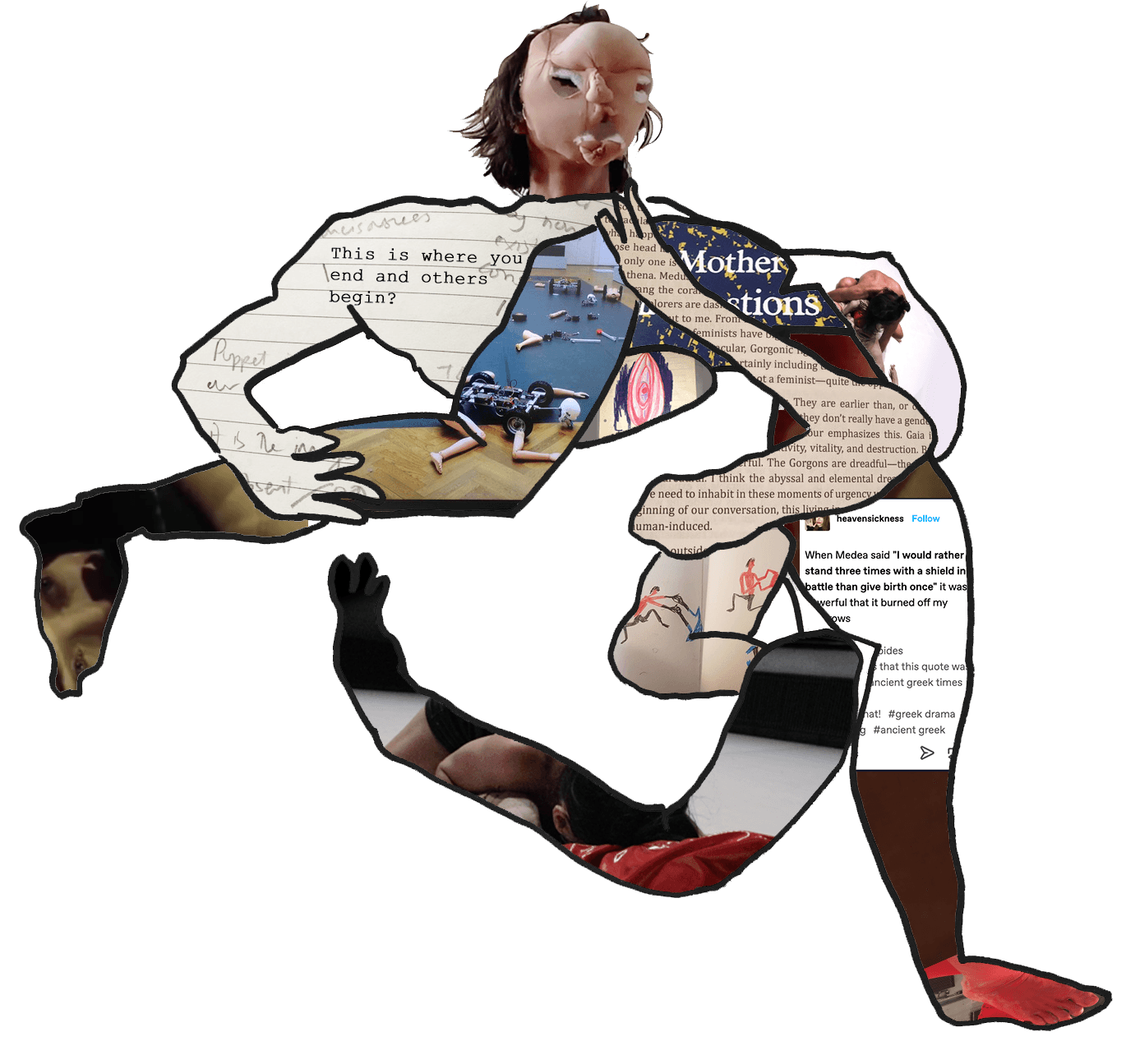
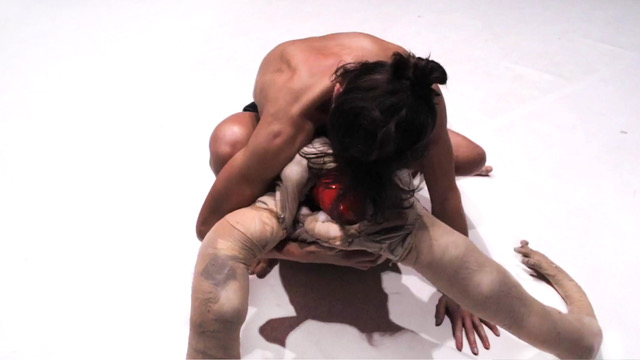
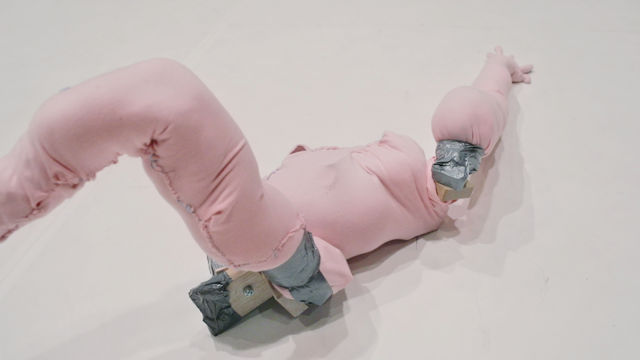
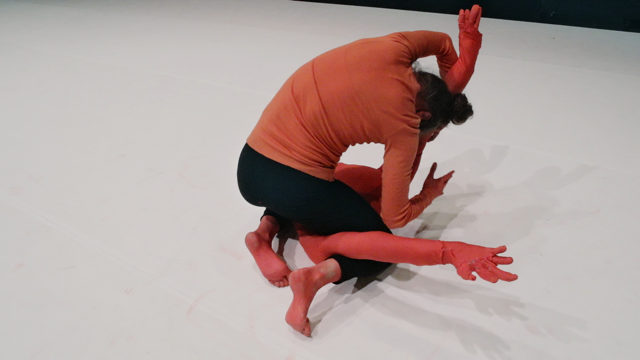
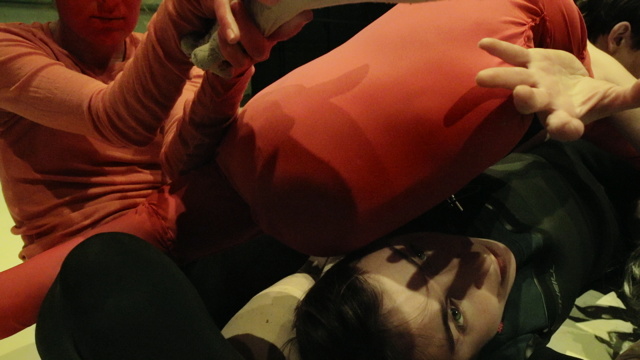
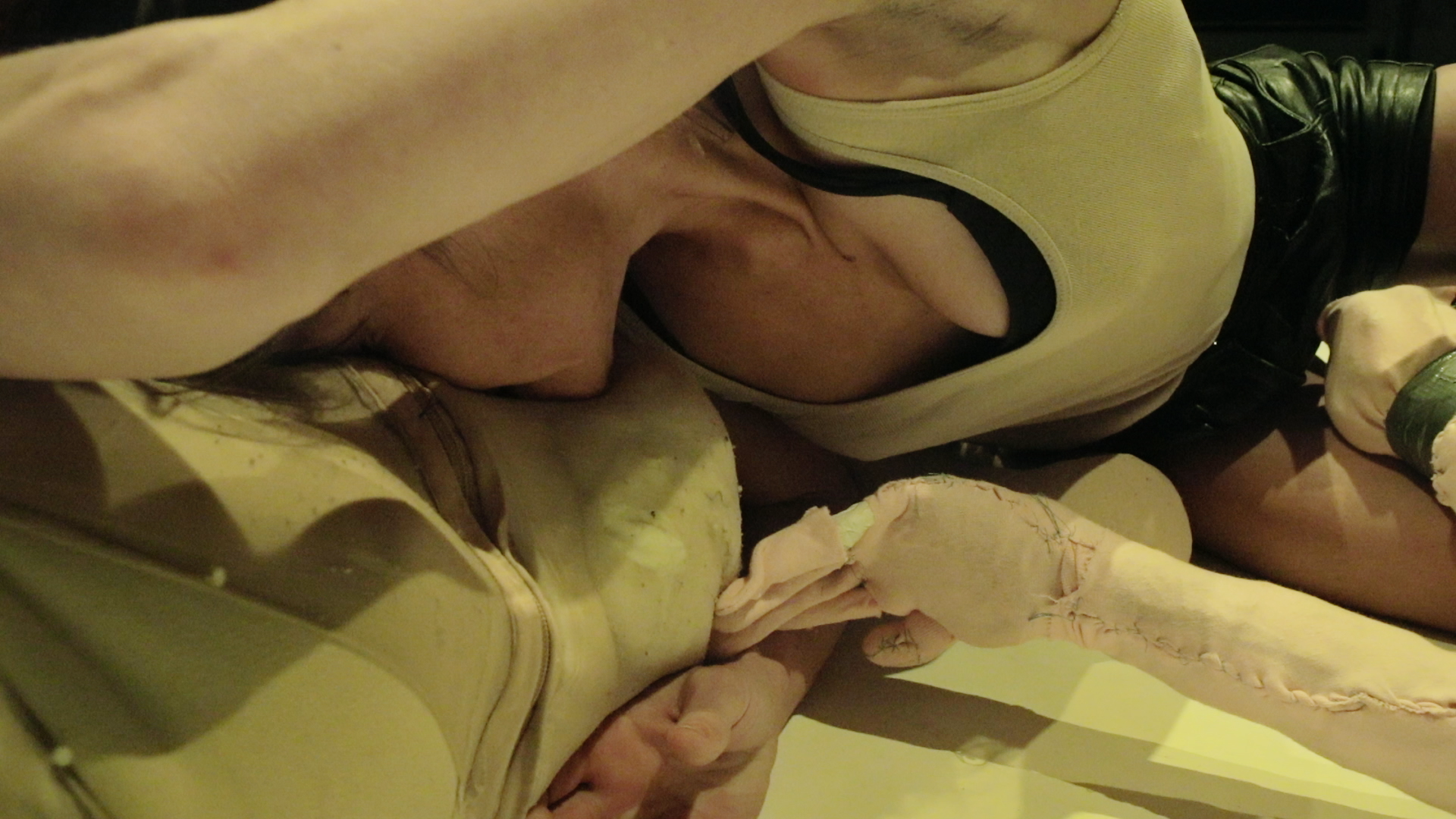
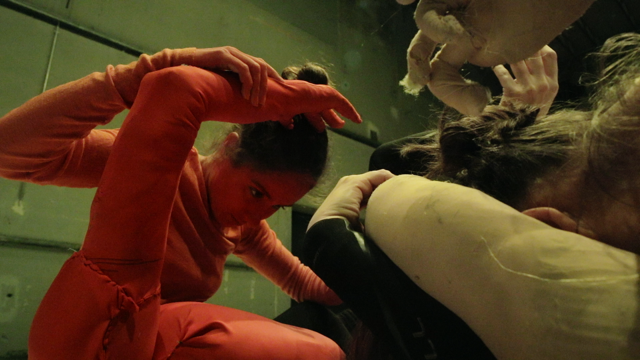
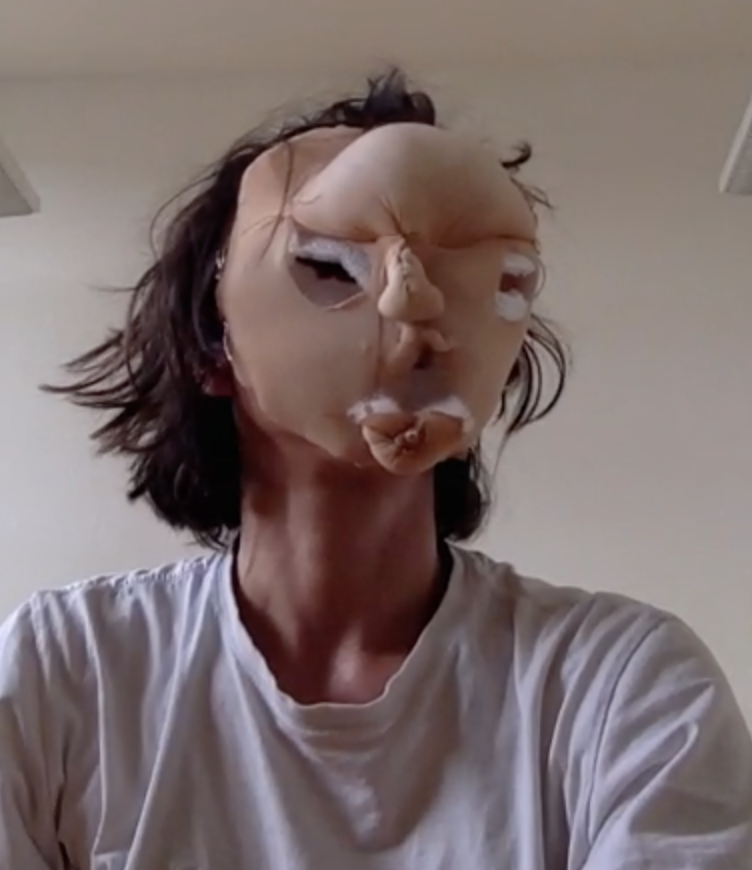
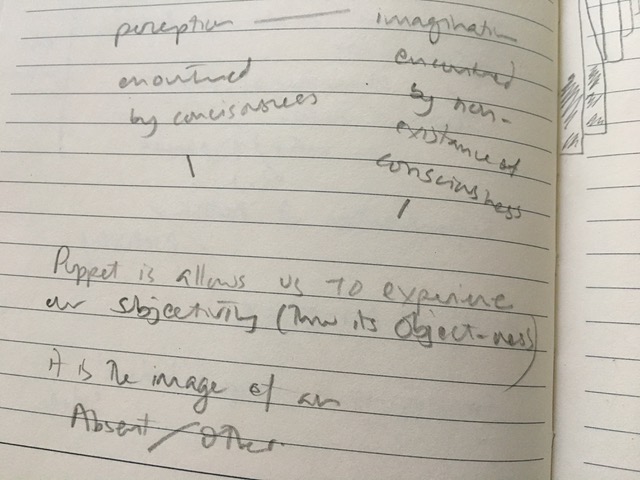
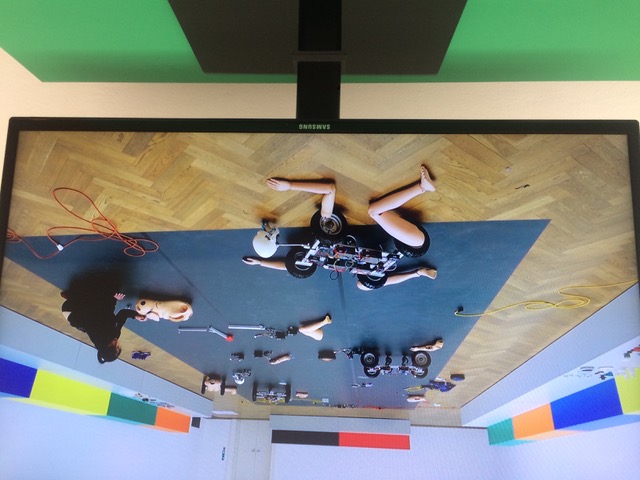
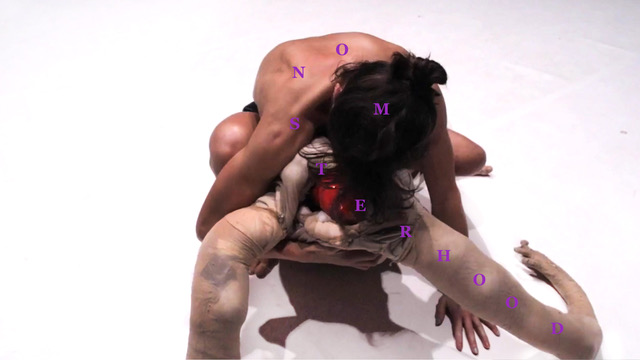
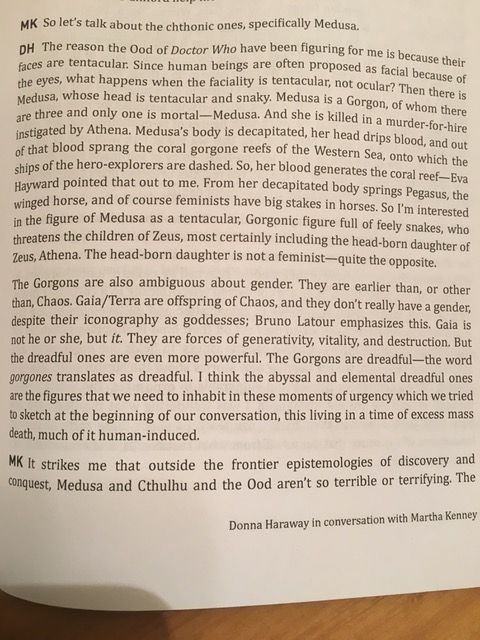
Monsterhood. The Making of forms part of a series of performances between the visual artist, Latefa Wiersch and performer, Emma Murray in which dance and object, inanimate and living bodies interconnect and grow into hybrids. In a world that is increasingly disembodied, mechanised and digitalised, Monsterhood the Making of responds to questions about the human body through a re-shaping of the threshold between subjective existence and material object. The work brings together Wiersch’s interest in the installation and animation of objects and Murray’s ongoing maternal enquiry into performing Motherhood. Monsterhood. The Making of performs a co-presence between human subject and the ambiguous figure of the puppet-as-other, in which boundaries of corporal cohesion are put to the test.
"Only through movement is transformation of the objects made possible."
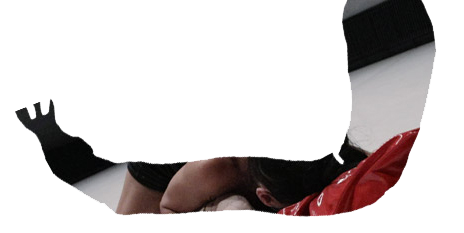
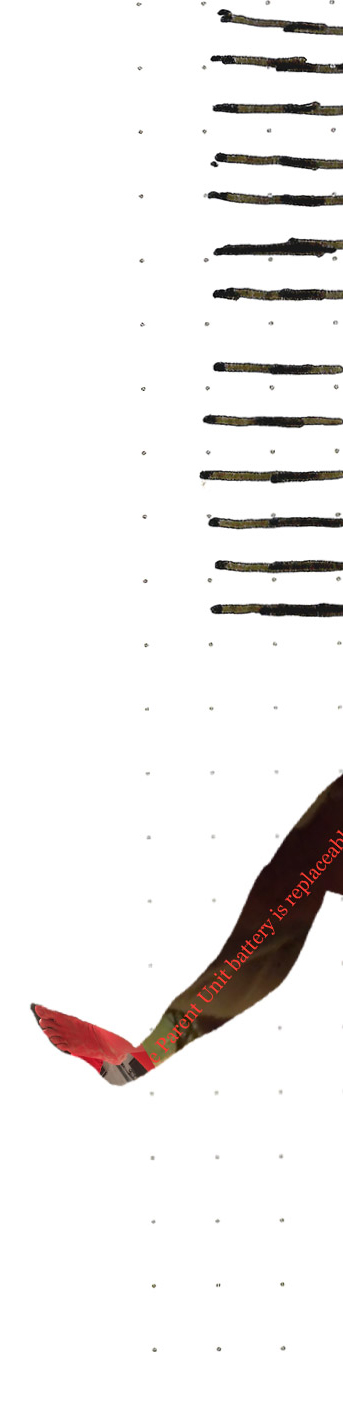
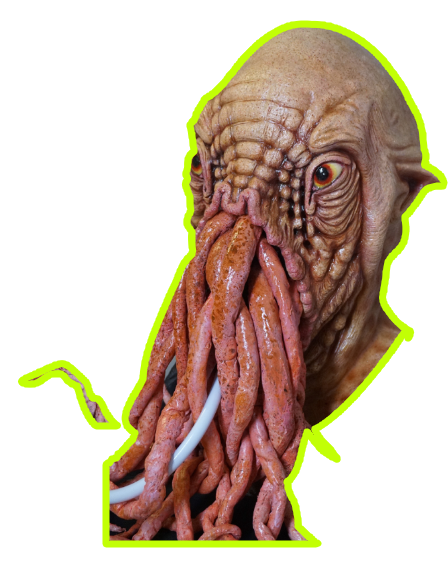
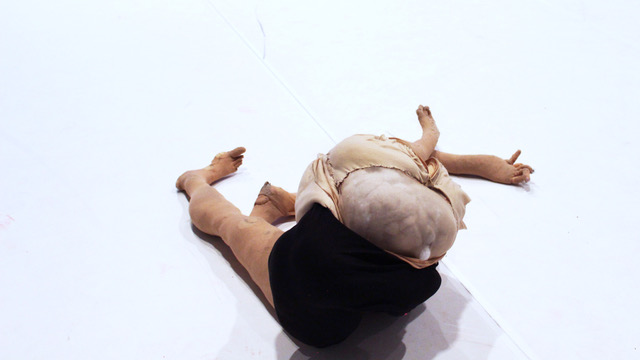
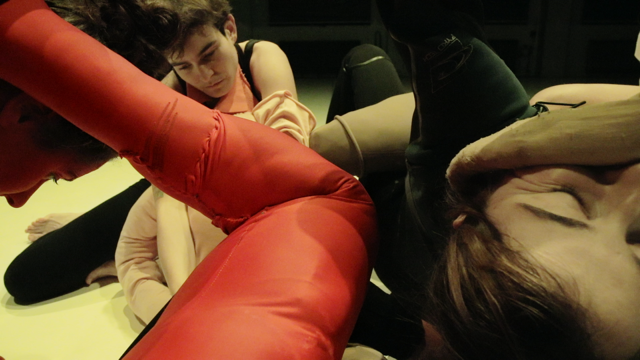
Through movement, body fragments are pushed, pressed, reformed and pupated into other creatures. There is a confrontation with the uneasiness of an abject or erupted body -'a body emerging from one's own'. In this way, new relations are continuously created and existing ones changed. Bodies lie over bodies, entwine, pupate other bodies, lose a head, fall, are held, are pulled down and then stand again. The number of limbs change, proportions are deformed and tentacles grow through a continuous and unfolding interaction.
2019, Monsterhood. The making of, Dampfzentrale Bern, CH
CHOREOGRAPHY Emma Lorien Murray
OBJECTS Latefa Wiersch
Performers Claudia Barth, Simea Cavelti, Sandra Klimek
photography Nicole Pfister, Latefa Wiersch
SOUND Till Hillbrecht
//
MONSTERHOOD.
The Making of asks
// How to listen closely and allow objects to speak?
// How can we privilege the tactile over the visual?
// What significance does skin and touch have in this context?
// How does the puppet object move? How does she move me? What are we together?
// In this context, how can we challenge notions of bodily identity or boundaries in support of ‘an ecology of fluctuating intensities or environments of interdependent entities?’
// What does the touch of her hand trigger in me?
// What does a game of disguise or disfigurement, so typical of puppets and masks, have to do with our collective fears and fantasies of motherhood?
// How do we perform Motherhood?
// How to perform being multiple, hybrid, and in constant mutation?
//
Latefa Wiersch and Emma Lorien Murray met in 2018 during the CAP Masters programme. Murray, who comes from fields of dance and choreography, and Wiersch, who as a visual artist has developed many animation and installations, have developed and performed a series of interdisciplinary works over the past two years at; Museum Haus Konstruktiv (2019); Centre Pasquart (2019); Kunstverein Freiburg (2019); Zentrum Paul Klee, (2019) as well at the Dampfzentrale Bern in December 2019. Till Hillbrecht with whom Murray has collaborated many times, designed the sound score for Monsterhood. The Making of with live electronics and sounding stage objects. He captured field recordings from rehearsals, morphed voice and high and low pitched sounds to create a hybrid situation of synthetic and natural, spatial and soft, dark and bright acoustic contrasts.
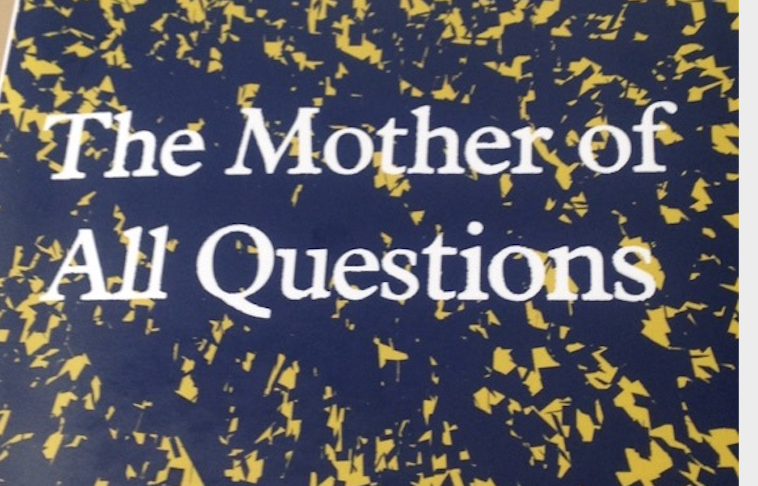
Rebecca Solnit, 2017 The Mother of All Questions